Historical Facts
• The Chippewa Indians prior to the arrival of European settlers, referred to the Cass River as “The River of the Hurons”.
• “All Indian trails in the valley centered about where the city of Saginaw now stands. Land and canoe travel was possible in all directions. The “Dixie Highway” coming from the south passed through Toledo, Detroit, Pontiac, Flint,, and crossed the Cass River onto Saginaw. Indian trails always located the best and most direct routes from place to place. Today, our roads follow these routes”. - Courtesy of Ms. Jeanne Bewersdorff, Michigan Heritage Water Trails
• Numerous Indian villages, mounds, and burial grounds have been located along the Cass River (Archaeology Atlas of Michigan, W.B. Hinsdale, 1931)
• White settlers later named the river after Lewis Cass, who negotiated the Treaty of 1819 and served as Governor General of the Territory of Michigan from 1813-1831.
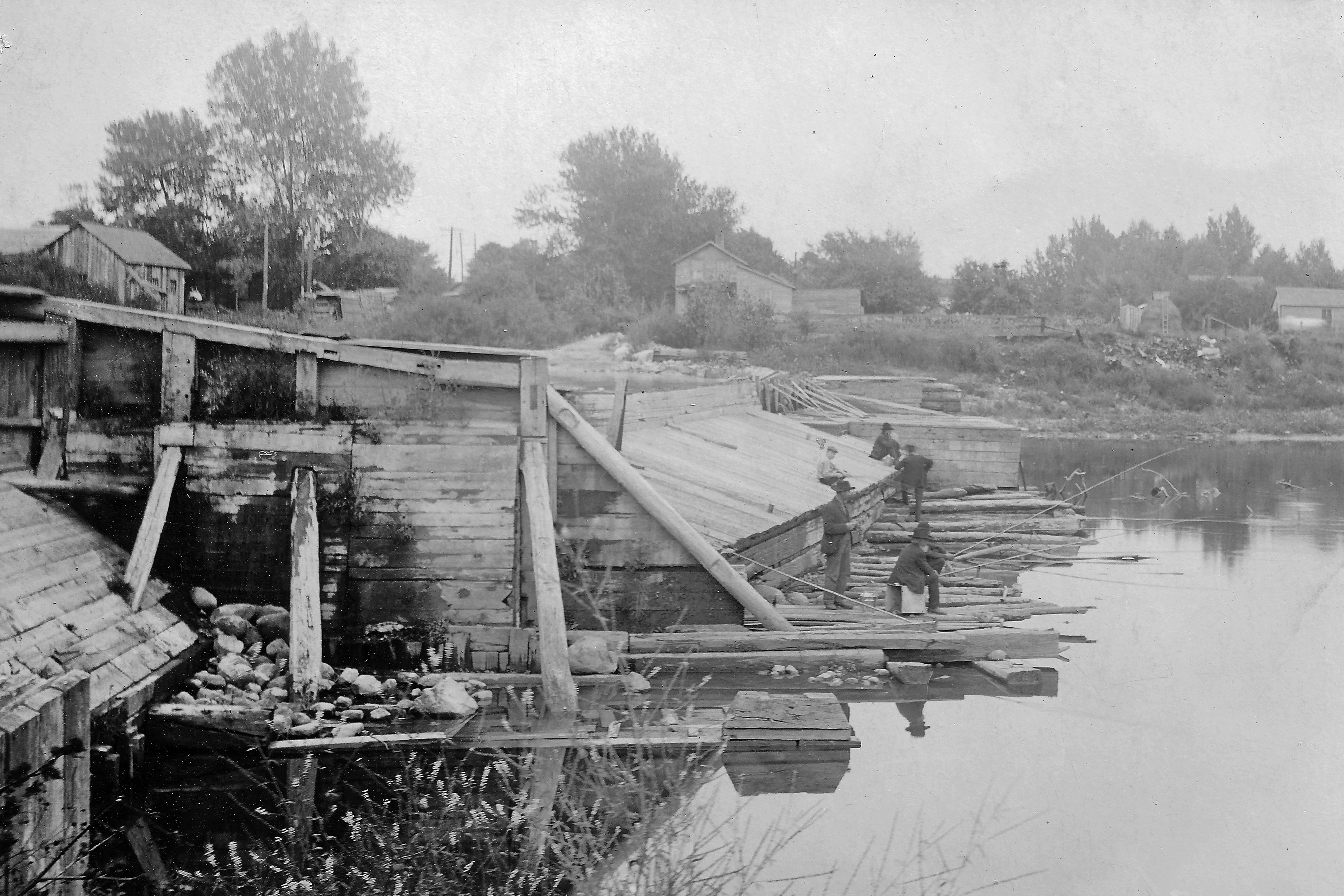
• The Cass River has served numerous uses throughout the centuries. Transportation was a primary purpose for the native American Chippewa tribe, and later for fur traders, and white settlers. The Cass also provided a rich source of food. Early settlers fished walleye, sturgeon, pike, and suckers, trapped beaver and muskrat.
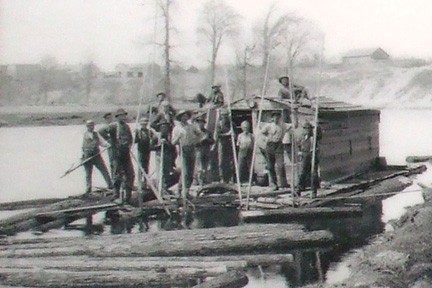
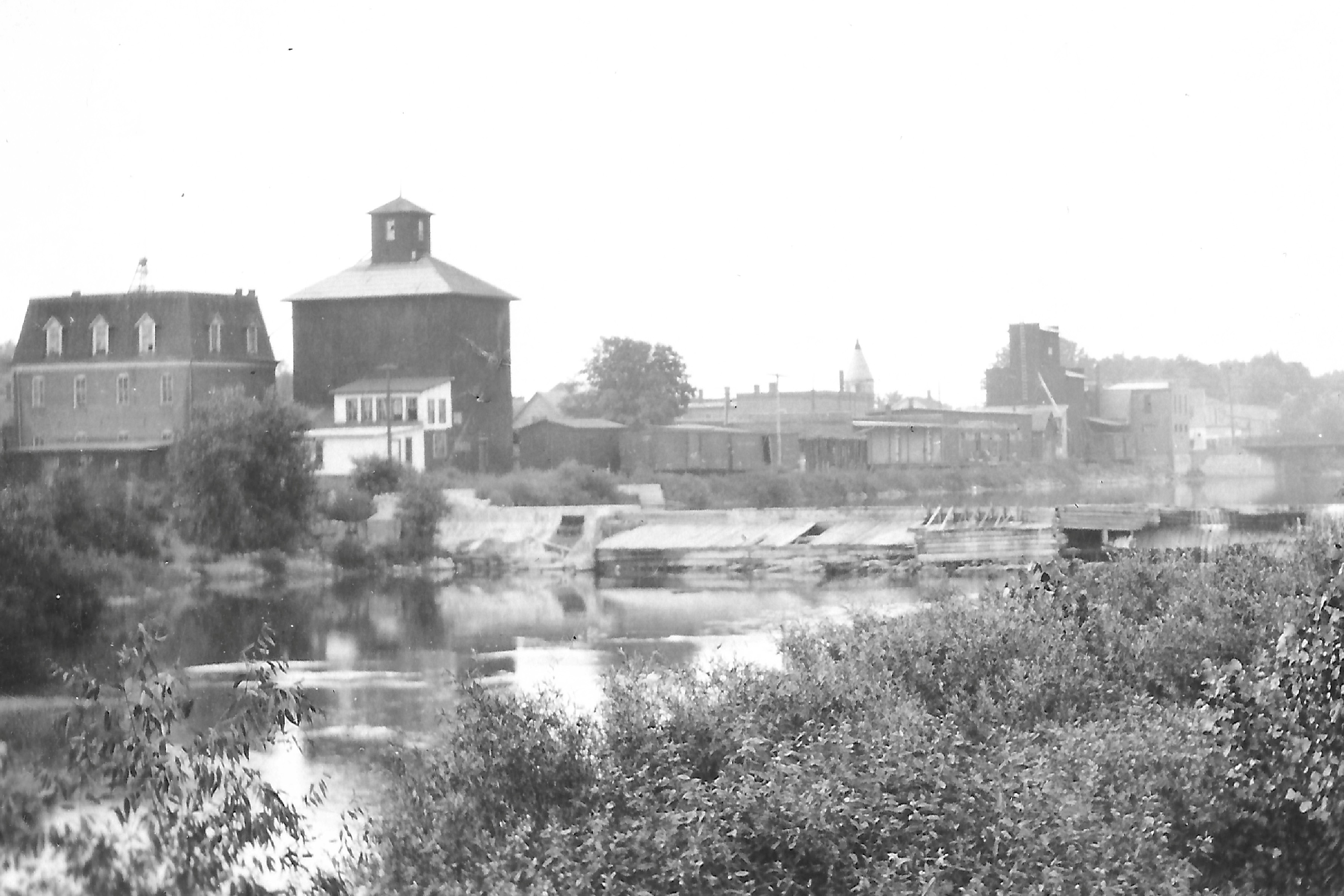
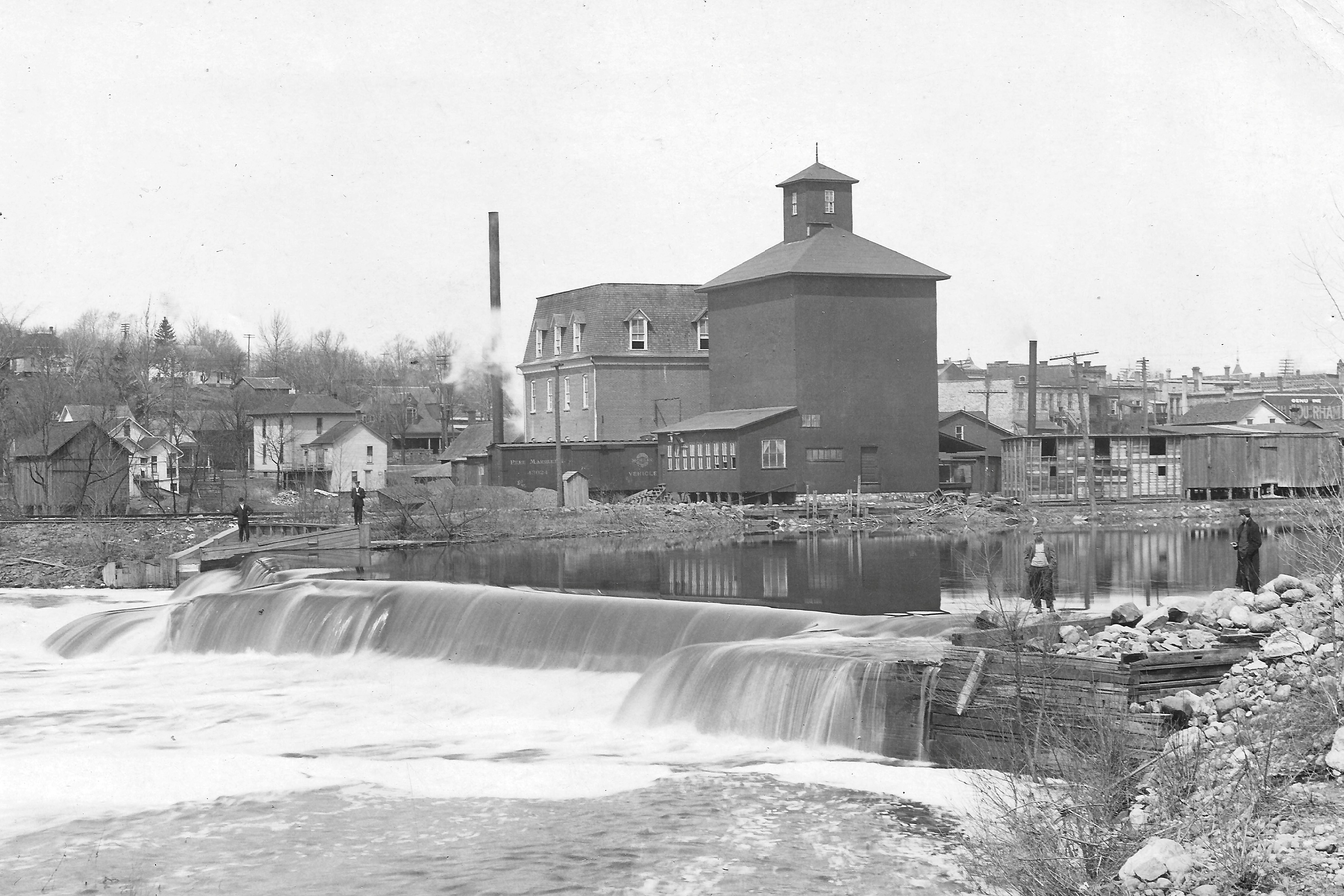
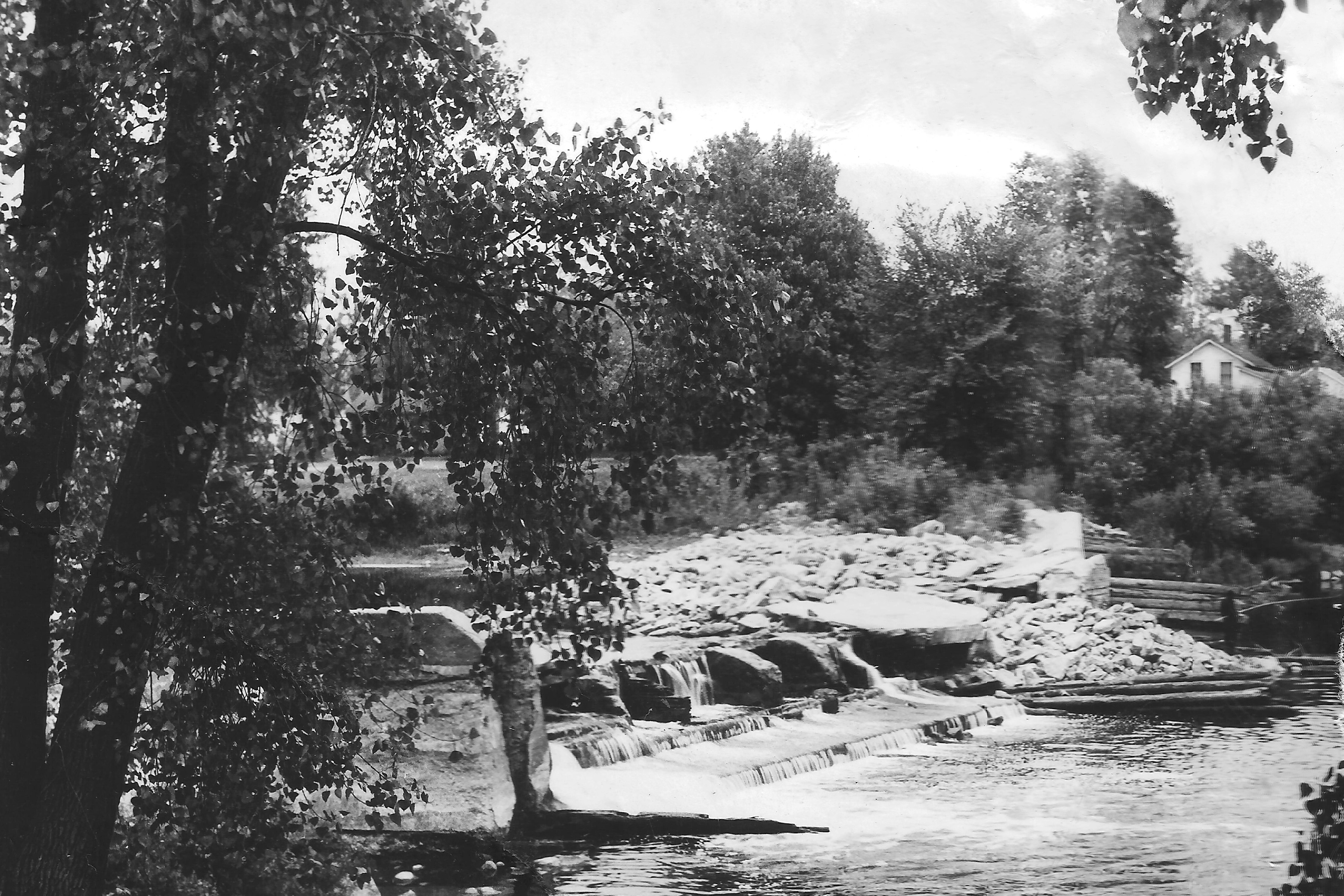
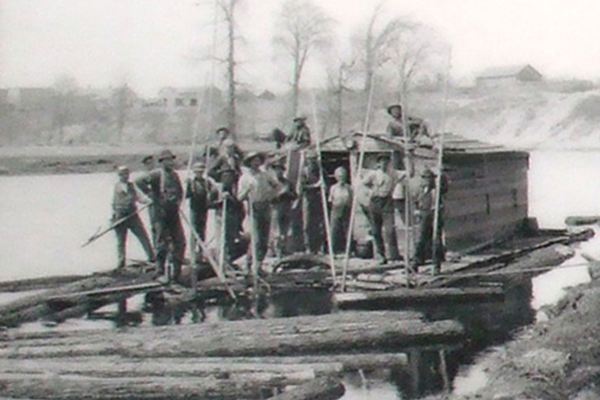
• Industry flourished along the Cass, including the timber industry. During the spring thaws, the Cass River was used to float logs down to the Hubinger Saw Mill and the mills downstream in Saginaw. The “Cass River Cork Pine” was considered the gold standard of the timber industry.
• Since the 1950’s, organized boat and canoe races on the Cass River highlighted holiday picnics, drawing thousands of spectators.
• Today, people from all walks of life use the river for fishing, canoeing, kayaking, camping, and birdwatching. A few local businesses also offer commercial boat tours on the Cass River